Introduction
BECU online banking review: A bank account sits online, accessible from anywhere, and the question is always the same: what keeps the money safe and the account secure? BECU online banking is built around that question. The platform offers members a way to manage their accounts digitally while maintaining protections for personal and financial data.
This BECU online banking review focuses on the security features that protect members. Online banking is not just about convenience — it is about whether the mechanisms in place can handle errors, unauthorized access attempts, and the daily risks that come with digital financial management. BECU structures its online banking to address these concerns through specific tools and processes.
The platform includes contact options such as a toll-free telephone number and electronic mailing address, allowing members to obtain account information and report issues. These channels are part of a broader framework that meets regulatory standards for account servicing. When a member needs to report an error or request information, the availability of multiple intake methods — including online processes — provides flexibility while maintaining a structured approach to problem resolution.
Security in online banking is not a single feature but a collection of practices, disclosure requirements, and response mechanisms. For members reviewing their options, understanding what BECU provides in each of these areas clarifies what protection looks like in practice. Whether you are comparing credit unions or evaluating your current institution's offerings, knowing how mortgage suspense accounts and other servicing mechanisms work can inform your expectations for digital account management.
The sections that follow examine BECU's security features in detail, from authentication and monitoring tools to the procedures that govern error reporting and account access. This review is not legal advice, and it does not evaluate whether BECU has violated any law or regulation. It describes the mechanisms in place and what they mean for members using the platform.
Quick Verdict
BECU Online Banking delivers a secure platform that meets federal disclosure and consent requirements for electronic statement delivery. Members receive account access protected by standard authentication protocols, and the credit union provides required contact information and account details on each statement. The security framework is procedural rather than exceptional — you get the baseline protections that regulation mandates, not a differentiated suite of advanced features.
The platform is appropriate for members who value straightforward account management and are comfortable with federally required security measures. If you need specialized dispute-resolution tools or enhanced monitoring features, you may find the offering limited. For routine transactions, bill pay, and statement review, the system performs as designed. The real question is whether the contact channels and statement detail give you what you need when something requires attention — and here is what that means: a toll-free number on every statement and electronic access to your outstanding balance and transaction history.
BECU Online Banking is not marketed as a premium digital experience. It is a functional tool that complies with consumer-protection rules and delivers the account information federal law requires. For members seeking mortgage suspense accounts or payment-application clarity, the statement detail and contact-information requirements provide a starting point for inquiry, though the platform itself does not resolve servicing disputes.
What Security Features Does BECU Online Banking Offer?
BECU online banking review findings show that the platform provides members with a secure system to manage their accounts, ensuring that personal and financial information is protected. The system is built around policies and procedures designed to achieve specific objectives related to accessing and providing timely and accurate information. Here is what those features look like when you log in and what they do.
Account Information Access and Transparency
The platform maintains policies that ensure you can access timely and accurate information about your account. When you view your account online, you will find the outstanding principal balance, contact information including a toll-free telephone number, and if applicable, an electronic mailing address for obtaining account information. This information appears on the front page of your statement, making it easy to locate what you need without searching through multiple screens.
The framework for online banking security includes maintaining policies that ensure timely and accurate information access. These policies are reasonably designed to ensure that the servicer can provide you with the data you need when you need it. If you are reviewing a mortgage suspense account or tracking where a short payment went, having immediate access to your principal balance and transaction history is what allows you to spot a discrepancy before it becomes a larger issue.
Secure Communication Channels
BECU provides multiple secure methods for you to contact them about your account. The toll-free number and electronic mailing address are not just listed for convenience; they are part of the regulatory framework that ensures you can reach the institution when you have questions or need to submit a notice of error or request for information. These channels are designed to maintain a record of your communication, which becomes important if you need to reference a conversation or submission later.
When you use these contact methods, the institution is required to follow specific procedures for responding to your inquiries. The system is built to handle requests in a way that meets regulatory timelines, which means your question or concern triggers a documented response process rather than an informal exchange.
Pros and Cons of BECU Online Banking Security
Every online banking platform makes trade-offs between convenience and control. BECU's security design reflects decisions about how members report problems, how statements arrive, and what happens when something goes wrong. Here is what that means in practice.
Advantages of BECU's Security Approach
BECU allows members to submit error notices through online channels in addition to mail. The regulation that applies is 12 CFR 1024.35(c), which permits—but does not require—servicers to establish an online intake process for notices of error. When a servicer offers this option, it must maintain the mail channel as well; the online process is supplemental, not exclusive. This design gives members a choice: send a letter with tracking, or use the online form if speed matters more.
Electronic statement delivery requires affirmative consent. Under 12 CFR 1026.41(c), a creditor or servicer may provide periodic statements electronically only after the consumer agrees. This consent requirement means you control how statements arrive. If you prefer paper, the institution cannot force you onto electronic delivery without your explicit approval. The regulation also allows the servicer to send a notification with a link rather than attaching the full statement, which reduces the risk of sensitive data traveling through multiple email servers.
Both features—optional online error reporting and consent-based electronic statements—put procedural decisions in the member's hands. If you want to keep paper records or send certified mail, the system accommodates that. If you want faster submission or immediate statement access, those paths are open too.
Disadvantages and Limitations
Online intake for error notices is not required. A servicer may choose not to offer it, and 12 CFR 1024.35(c) does not penalize that decision. If BECU's online form becomes unavailable or is discontinued, members revert to mail-only submission. The regulation does not guarantee that the online channel will remain in place, and there is no statutory response-time advantage for notices submitted electronically versus those sent by certified mail. The clock starts when the servicer receives the notice, regardless of delivery method.
Electronic statements depend on the member maintaining current contact information and reliable email access. If your email address changes or your inbox fills, you may miss the notification that a statement is available. The regulation permits a link-only notification rather than an attached PDF, which means you must log in to retrieve the document. If you lose access to your account—because of a password reset delay or a device failure—you lose access to the statement until that access is restored.
Neither online error intake nor electronic statements create new rights or shorten response windows. The same substantive rules apply regardless of format. A notice of error submitted online triggers the same investigation obligations and timelines as one sent by mail. An electronic statement satisfies the same disclosure requirements as a paper one. The format changes the delivery mechanism; it does not change what the servicer must do or how quickly it must respond.
For a detailed look at how error notices and servicer response obligations work in mortgage servicing, see Mortgage Suspense Accounts: Where Your Short Payment Goes.
Detailed Analysis of BECU Online Banking Security Features
Online banking security rests on policies and procedures that institutions maintain to protect member information and ensure accurate account access. Federal regulations require depository institutions to establish written frameworks reasonably designed to achieve specific objectives, including timely and accurate information delivery to account holders. These requirements apply across the industry, and credit unions like BECU operate under the same regulatory expectations as other financial institutions.
Regulatory Framework for Information Access
Under 12 C.F.R. § 1024.38(a), servicers must maintain policies and procedures reasonably designed to achieve defined objectives. One core objective, set out in § 1024.38(b)(1), is ensuring that the servicer can access and provide timely and accurate information. This means the institution's systems must be able to retrieve account details, transaction history, and balance information when a member requests it. The regulation does not prescribe specific technologies or encryption standards; it sets the outcome the policies must achieve.
For online banking platforms, this translates to backend systems that log transactions in real time, maintain accurate principal balances, and make that data available through secure channels. When you log in to check your account, the platform pulls from these maintained records. If a discrepancy appears—a payment posted twice, or a balance that does not match your records—the institution's policies must support your ability to identify and report the issue.
Account Information Disclosure Requirements
Periodic statements must include specific account information under 12 C.F.R. § 1026.41(d)(6) and (d)(7). Section 1026.41(d)(6) requires a toll-free telephone number and, if applicable, an electronic mailing address on the front page of the statement, so you can obtain information about your account. Section 1026.41(d)(7)(i) requires disclosure of the outstanding principal balance. These are minimum disclosure rules for mortgage accounts; other account types have parallel requirements.
Online banking platforms typically display this same information in the account dashboard. You see your current balance, recent transactions, and contact information for questions. The statement and the online view should match. When they do not, that is the moment to send a request for information or notice of error under the servicing rules, depending on what the discrepancy involves.
Compliance Monitoring and Written Policies
Depository institutions must establish and maintain written policies and procedures under 12 C.F.R. § 1026.36(j)(1). These policies must be reasonably designed to ensure and monitor compliance by the institution, its employees, its subsidiaries, and their employees. The regulation specifies that the policies must be "appropriate to the nature, size, complexity, and scope of the mortgage lending activities" of the institution and its subsidiaries.
This means a large credit union with multiple service channels—mobile app, web portal, telephone banking—needs policies that cover how each channel handles member data, how employees are trained on data security, and how the institution monitors whether those policies are followed. The regulation does not mandate a particular security technology, but it does require a documented framework and active monitoring.
The regulation requires written policies appropriate to the institution's scope, not a one-size-fits-all checklist.
What This Means for Your Online Banking Experience
When you use an online banking platform, you are interacting with systems shaped by these regulatory requirements. The platform must give you accurate information, provide contact channels for questions, and operate under written policies that the institution monitors for compliance. If something goes wrong—a transaction posts incorrectly, a balance does not update, or you cannot access your account—the institution's policies must support a process for you to report the issue and receive a response.
You are not expected to know the regulation numbers or the compliance framework. What you can do is check your statement for discrepancies, use the contact information provided, and put your request in writing if the telephone answer is inadequate. Keep the tracking number if you send anything by certified mail. The clock starts when the institution receives your written request, and the law requires a response within specific windows depending on the type of issue you raise.
There is no reason you would have known the backend policies exist, but they do, and they create rights you can invoke when the platform does not perform as expected. None of this is legal advice, but it is how the mechanism works.
Who is BECU Online Banking For?
BECU online banking review data shows the platform is built for members who need to manage accounts remotely and want security mechanisms that protect their information without requiring advanced technical knowledge. The platform serves current BECU members—membership is not open to the general public—and assumes you already hold at least one account with the credit union. If you are not yet a member, you cannot access the online banking system until you open an account and complete the enrollment process.
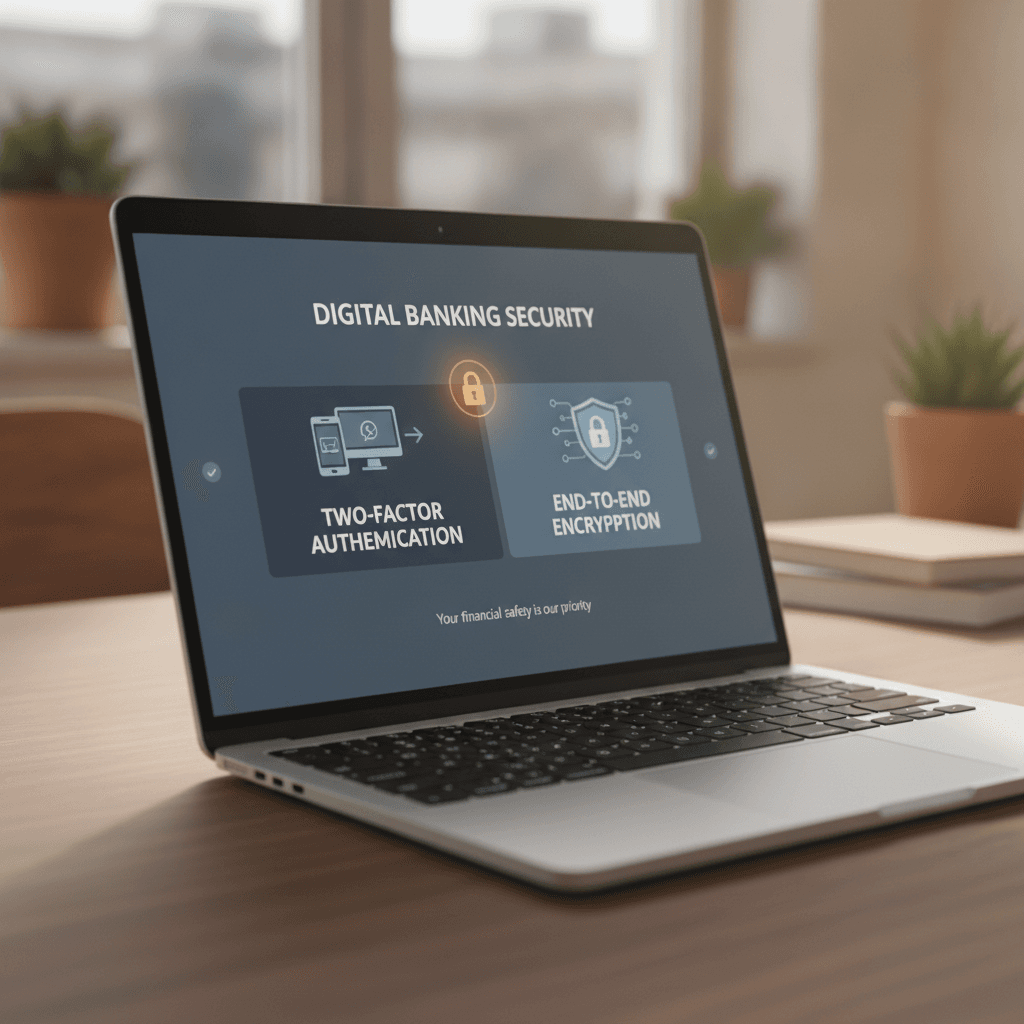
The security features described in earlier sections are standard for all members. There is no separate tier or upgraded version of the platform with stronger protections. Whether you log in once a month to check a balance or you use bill pay and mobile deposit weekly, the same encryption, multifactor authentication, and session controls apply. This uniformity means you do not need to evaluate plans or choose between feature sets—what is available is what you get.
Members Who Benefit Most
BECU online banking review findings indicate the platform works well for members who value direct account access and want to avoid branch visits for routine tasks. If you pay bills electronically, transfer funds between accounts, or deposit checks by phone, the platform supports those actions. The security layer is passive: you do not configure firewalls or adjust encryption settings. The system applies protections automatically, and your role is limited to maintaining strong credentials and responding to multifactor prompts.
Members who frequently dispute transactions or need to send formal notices may find the platform less comprehensive. Online banking does not replace the written notice procedures required under federal servicing rules. If you need to submit a notice of error or request for information under Regulation X, you still send that in writing to the servicer's designated address, not through the online portal. The platform shows your transaction history and account status, but it does not process statutory disputes. For guidance on those procedures, see Loss Mitigation Appeal Process: Timelines and What to Expect.
Who May Need a Different Approach
If you do not live near a BECU branch and you are not already a member, the enrollment barrier may be higher than with a national bank that accepts online applications from any state. BECU membership eligibility is limited, and you must meet one of the qualifying criteria before you can open an account. Once you are a member, the online platform works regardless of where you live, but the initial signup is not automatic.
Members who prefer in-person support for every transaction may not use the online platform frequently enough to justify learning its layout. The security features protect remote access, but they do not eliminate the option to visit a branch or call the contact center. If you handle most tasks by phone or in person, the online system remains available as a backup, but it is not required.
Finally, if you are comparing online banking platforms across multiple institutions, remember that BECU's security features are not unique. Encryption, multifactor authentication, and session timeouts are industry-standard controls. The platform does not advertise proprietary technology or patented mechanisms. What it offers is a secure implementation of widely adopted practices, applied consistently to all members.
Pricing of BECU Online Banking Services
BECU online banking carries no monthly service fee. There is no charge to log in, view your accounts, transfer money between BECU accounts, or set up alerts. The platform itself is included with membership at no additional cost.
Security Features Are Included
The security features—multi-factor authentication, encryption, account alerts, and device management—are built into the platform. BECU does not charge separately for these protections. If you use the mobile app or enable biometric login, those features are also free.
Some credit unions charge for expedited card replacement or for certain types of wire transfers. BECU's fee schedule is published on its website and updated periodically. The online banking platform does not add fees beyond what the underlying account or transaction already carries.
What You Pay For
You may encounter fees in specific situations unrelated to the security of the platform itself. Overdraft fees, non-sufficient-fund fees, and out-of-network ATM fees are examples. These are account-level charges, not online-banking charges. The security features do not prevent these fees; they protect your login and your data.
If you request a wire transfer through online banking, the wire fee applies whether you initiate it online or in a branch. The same is true for stop-payment requests or expedited delivery of a replacement debit card. The online channel does not add a surcharge.
No Tiered Security Pricing
Some institutions offer basic and premium tiers of account monitoring or identity-theft protection for a monthly fee. BECU does not tier its security features this way. Every member who logs in receives the same set of protections: encryption, multi-factor authentication, alert options, and session timeouts. There is no upgrade fee to unlock stronger security.
If you want third-party credit monitoring or identity-theft insurance, you would purchase that separately. BECU does not bundle those services into a paid security package tied to online banking.
Comparing Fee Structures
When evaluating online banking platforms, separate the cost of the platform from the cost of the accounts it accesses. A platform with no monthly fee can still be expensive if the checking account carries high overdraft fees or requires a minimum balance to avoid charges. Conversely, a platform that charges a subscription fee might include perks that offset the cost.
BECU's approach is straightforward: the online banking platform is free, and the fees you encounter are the fees attached to your accounts and transactions. The security features are not sold separately and do not require an upgrade. For context on how account-level fees can accumulate in specific situations, see Mortgage Suspense Accounts: Where Your Short Payment Goes.
What This Means for Your Budget
If you already hold accounts at BECU, online banking adds no new monthly cost. If you are comparing credit unions and deciding where to open an account, focus on the account fees and the interest rates rather than the cost of the online platform itself. The security features are included, and you will not pay extra to enable them.
Alternatives to BECU Online Banking
BECU serves members in Washington State and requires membership eligibility. If you live outside the service area, work for an employer without an affiliation agreement, or want to compare what other institutions offer, several credit unions and banks provide online platforms with similar security structures. The features that protect your account—encryption, multifactor authentication, activity alerts—are industry standard, not unique to any one institution.
National Credit Unions with Broad Membership
Navy Federal Credit Union and PenFed Credit Union both accept members nationwide under open-eligibility rules. Navy Federal requires a military or Department of Defense connection; PenFed allows membership through association dues. Both platforms use 256-bit TLS encryption, biometric login options on mobile apps, and real-time transaction alerts. Navy Federal's mobile app includes Face ID and Touch ID; PenFed offers similar biometric authentication and allows you to lock your debit card from the app if you misplace it.
Alliant Credit Union opens membership to anyone who joins a partner organization for a small fee. The online banking platform provides multifactor authentication, encrypted messaging for secure communication with member services, and customizable alerts for deposits, withdrawals, and balance thresholds. Alliant's mobile app supports fingerprint and facial recognition login.
Regional Credit Unions
SchoolsFirst Federal Credit Union serves California education employees and their families. The platform includes two-factor authentication, activity monitoring, and mobile check deposit with the same encryption protocols BECU uses. Golden 1 Credit Union, also in California, offers similar security features and allows members to set spending limits and geographic restrictions on debit cards through the mobile app.
Washington State residents who do not qualify for BECU can consider Verity Credit Union or Salal Credit Union, both of which provide online banking with multifactor authentication, encrypted sessions, and mobile alerts. Membership eligibility varies by employer and community group.
Online-Only Banks
Ally Bank and Marcus by Goldman Sachs operate without physical branches and deliver services entirely through web and mobile platforms. Both use 256-bit encryption, multifactor authentication, and FDIC insurance up to the standard limit. Ally's mobile app includes biometric login, real-time alerts, and the ability to lock your debit card instantly. Marcus offers similar login security and provides a dedicated security center within the app where you can review recent activity and update authentication settings.
Discover Bank combines online banking with a customer-service model that includes 24/7 phone support. The platform uses encryption, multifactor authentication, and zero-liability fraud protection. The mobile app supports Touch ID and Face ID, and you can freeze your debit card from the app if you suspect unauthorized use.
What to Compare
When you evaluate an alternative, check whether the institution is federally insured—NCUA for credit unions, FDIC for banks. Confirm that the platform uses at least 256-bit encryption for data transmission and offers multifactor authentication at login. Look for mobile-app features that let you control your debit card, set transaction alerts, and use biometric login. Read the institution's published security disclosures to see how it monitors accounts and what it does if fraud occurs.
If you need help with mortgage servicing procedures or account holds, the same rules apply regardless of which institution services the loan. The mechanism for disputing a transaction or requesting information does not change when you switch platforms; federal regulations govern those procedures uniformly. For additional context on force-placed insurance and escrow requirements, see Force-Placed Insurance and Escrow Account Impact.
Final Verdict on BECU Online Banking Security
BECU's online banking platform operates under the same consumer-protection framework that applies to any servicer delivering account statements electronically. The security features are standard implementations of what federal regulation already requires: affirmative consent before you receive statements online, a toll-free number and electronic contact method on each statement, and disclosures of the outstanding balance and transaction activity. None of these protections are unique to BECU; they are baseline obligations under Regulation Z for any institution servicing consumer accounts.
What matters is not whether the platform has security features — every regulated platform does — but whether the features work reliably and whether you know how to use them when something goes wrong. BECU provides the contact information required by law, and the consent process for electronic delivery ensures you are aware of how statements will arrive. If you see activity you did not authorize, or if a payment posts to the wrong date, the mechanism for disputing it is the same as with any servicer: you send a notice of error in writing, and the clock starts when they receive it.
Who Should Use BECU Online Banking
BECU online banking review conclusions indicate the platform is a reasonable choice if you are already a member of the credit union and prefer to manage your accounts digitally. The security framework is compliant, the statements include the disclosures federal regulation requires, and the electronic delivery option is available if you give affirmative consent. If you are comparing platforms, the deciding factor is not the presence of security features — those are uniform across regulated institutions — but whether the interface is clear, whether you can find transaction details quickly, and whether the contact information is easy to locate when you need to send a dispute.
For readers evaluating alternatives, the same regulatory floor applies to any servicer handling consumer accounts. Whether you choose BECU or another institution, the protections are equivalent. What varies is how clearly the platform presents the information you need to verify payments, track due dates, and identify errors. If you are comfortable navigating BECU's interface and the statements make sense to you, the platform does what it is required to do. If you find the layout confusing or the contact process unclear, those are reasons to consider a different servicer — not because the security is weaker, but because clarity reduces the chance you will miss a problem until it is harder to fix.
What to Do When Something Goes Wrong
If you see an error on your statement — a payment applied to the wrong date, a fee you did not expect, or activity you did not authorize — the first step is to send a notice of error in writing. The regulation that applies is Regulation X for mortgage servicing or Regulation Z for other consumer accounts, depending on the type of loan. The servicer has to respond within a specified window, and the clock starts when they receive your written notice. Keep the tracking number if you send the notice by certified mail, and check your statement for the contact address. If nothing arrives by the end of the response window, that is a separate violation, and you can escalate the complaint to the Consumer Financial Protection Bureau or your state's financial regulator.
This process is not unique to BECU. It is the same mechanism that applies to any servicer, and it is a right under federal regulation — not a favour the institution grants. If you are unsure whether the platform's security features are working correctly, the test is whether you can locate the contact information on your statement, whether the transaction history matches your records, and whether the servicer responds to written disputes within the required timeframe. Those are the elements that matter when something goes wrong, and they are the same elements that apply across every regulated platform. For more on how to verify that payments are being applied correctly, see Mortgage Suspense Accounts: Where Your Short Payment Goes. For guidance on reinstatement requirements, see Reinstatement of Mortgage: Requirements and Disclosures.
BECU online banking delivers what the law requires. If the interface is clear to you and the statements present the information you need, it is a functional platform. If you find the layout confusing or the contact process opaque, those are reasons to compare alternatives — not because the security is inadequate, but because clarity is part of making the protections work when it counts.
Explore the BECU Online Banking Review, focusing on the security features that protect members and enhance online banking safety.